

The state of the Democratic primary for governor in Wisconsin
With less than two months to go before the Aug. 11 primary, we're breaking down each of the seven candidates who will be on the ballot.
The Recombobulation Area is a 19-time 21-TIME! Milwaukee Press Club award-winning opinion column and online publication founded by longtime Milwaukee journalist Dan Shafer. The Recombobulation Area is now part of Civic Media.
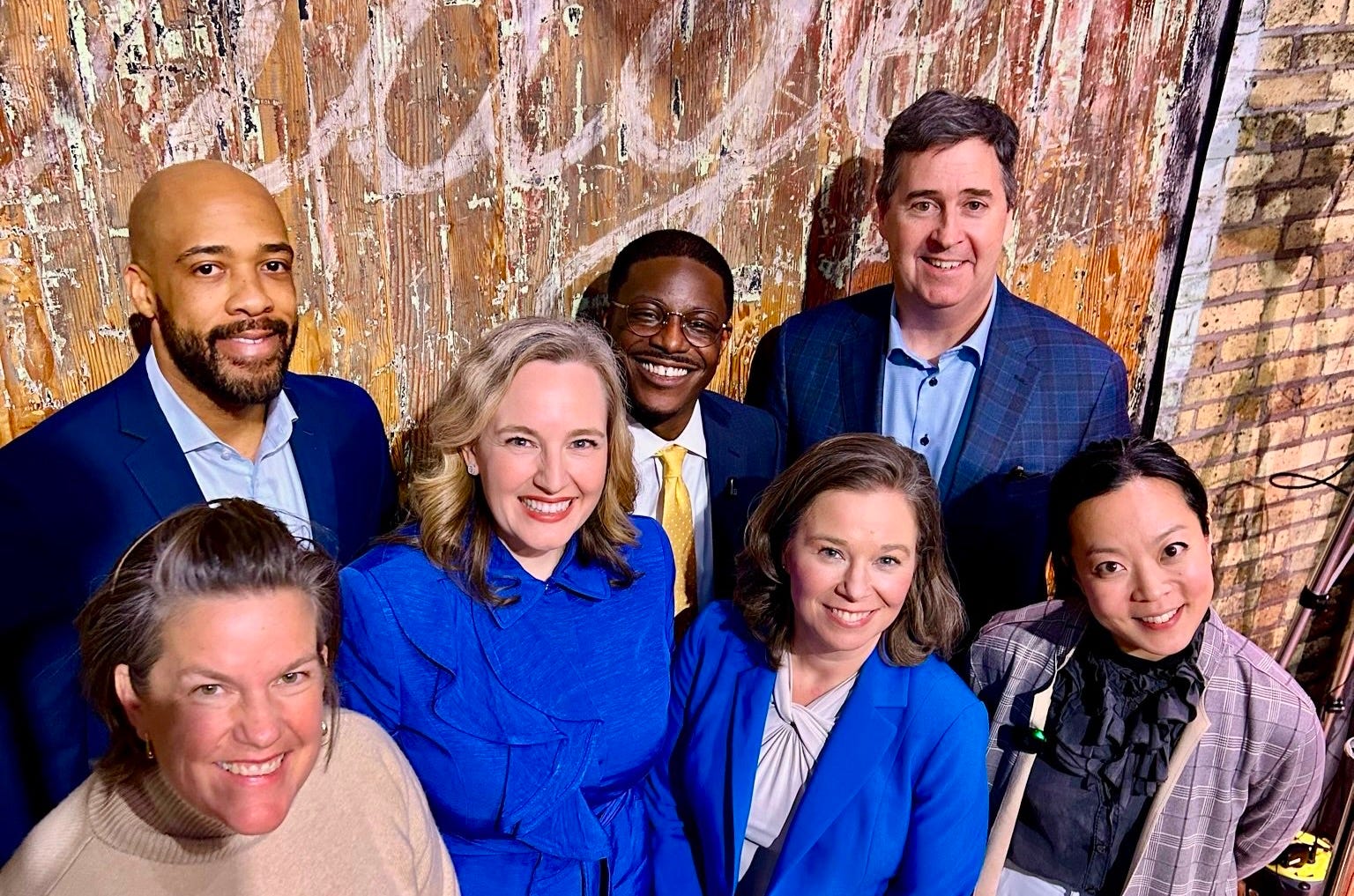
The Aug. 11 partisan primary in Wisconsin is now less than two months away, and the Democratic primary in the race for governor is about to hit crunch time.
But all things considered, this race has still been rather quiet. It made sense when the race was quiet in March and April, when candidates didn’t want to muddy the waters and make sure Chris Taylor got across the finish line in the Spring Election race for state Supreme Court, but that relative quiet has made less sense in the months since. Now, with less than two months to go before the Aug. 11 primary, this race still does not feel like the type of inescapable, ads-on-every-screen election that we’ve all grown accustomed to in the political pressure cooker that is Wisconsin.
Some thought this race might heat up a bit before the end of the school year, before some tune out in the summer months, but that hasn’t exactly happened, either. There’s been a nonstop stream of candidate forums, a whole lot of chatter in political circles about this race, but regular folks just haven’t seemed all that tuned in to this primary.
Maybe that’s about to change. The Democratic Party of Wisconsin’s annual convention is happening this weekend, and while I am unfortunately unable to attend this time (apologies, readers, truly!), the timing of the event offers a good opportunity to take the pulse of what’s happening and take a closer look at the state of the race.
So, let’s dive in, candidate by candidate, alphabetically by last name. Let’s recombobulate.
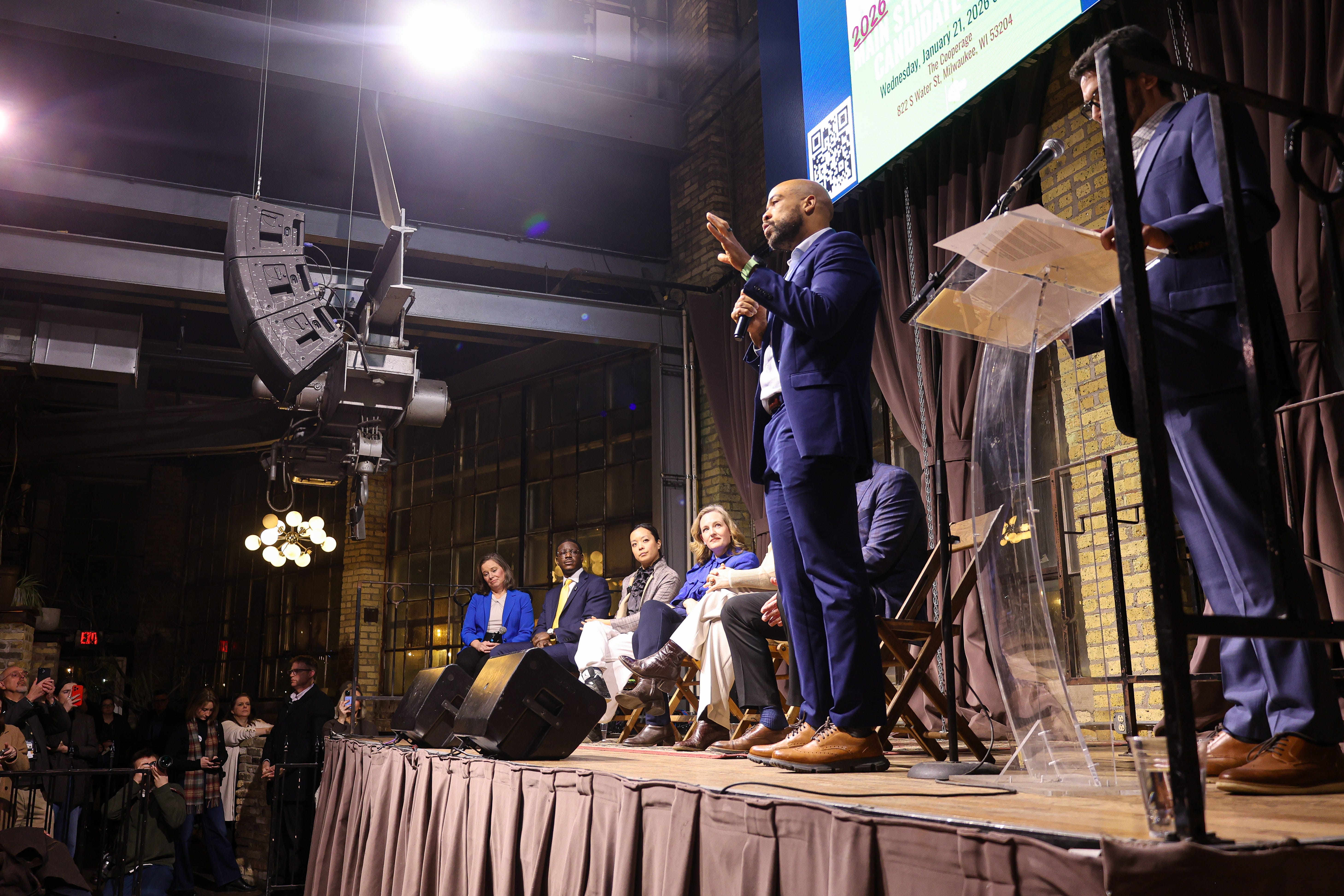
Former lieutenant governor Mandela Barnes
Mandela Barnes could end up being the nominee.
He has the highest name ID in the race, he’s regularly rolling out new policies and traversing the state, and his campaign is among the more well-funded in the race — at $2 million, according to Politico. It is undeniable that he is a top-tier contender in this race.
But he is not the clear frontrunner. He also seems to be running a more general election-style campaign against presumptive Republican nominee Tom Tiffany, and it has been a mistake to think he would waltz right into top candidate status and head right to the general.
It also feels like Barnes is running a remarkably safe campaign. The policies he’s rolling out are quite solid — an announcement on his “Wisconsin Way” policy platform arrived this week — but can often seem poll-tested and not particularly controversial. His media appearances might seem more disciplined than in his 2022 U.S. Senate run, but he also doesn’t come across as particularly authentic — at a moment when Democratic voters are craving more authenticity from candidates. This campaign seems a little bit scared of its own shadow.
There are also electability concerns that surround Barnes’ campaign. The chatter on that front might not be as loud as it is for Francesca Hong, but having defeated Barnes in a statewide race four years ago, Republicans don’t seem to fear the possibility of going head-to-head with him again in 2026.
Last fall, before Barnes announced he’d be running for governor, I wrote a piece revisiting his 2022 run, where I discussed why his campaign was both underrated and overrated at the same time. But, I argued, if he ran for governor, he would need to learn the lessons from that loss and run a different kind of campaign this time around, or else he’d wind up losing again.
Right now, his 2026 campaign for governor seems all too similar to his 2022 race for U.S. Senate — another too-cautious campaign that feels like it’s coming off of a Democratic campaign assembly line. It doesn’t seem built for the unique challenges facing the state or ready to seize the unique opportunity this year presents for Wisconsin.
At the same time, Barnes has the opportunity to demonstrate some evolution over the next two months. His “floor” is much higher than any other candidate, so he can afford to take some risks. If he can meet this challenge, level up, and win in August, he could be the state’s next governor. But he is going to have to earn it. Right now, I’m not sure that he is.

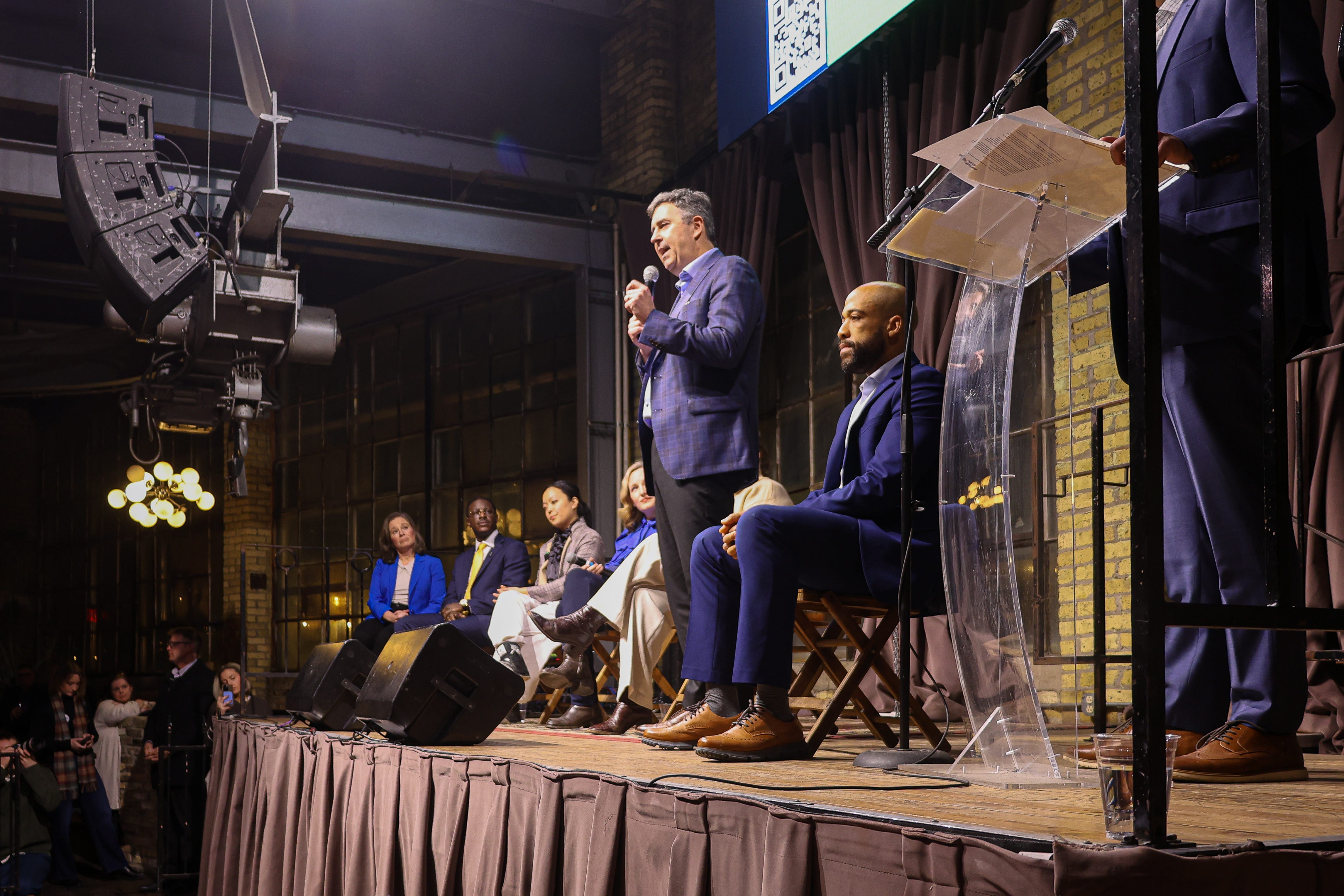
Former Department of Administration secretary Joel Brennan
For a while, it has seemed like Brennan was lurking as a potential dark horse in this race. As someone who hasn’t run for office before, he’s not going to have the name ID even regionally that some other elected officials do, but he has a lot of executive experience and a strong record of accomplishment throughout his career in and out of government.
Back in a past life, when I was a reporter at the Milwaukee Business Journal, I interviewed Brennan a few times when he was running Discovery World, and found him to be intelligent and engaging. His record as the secretary of the Department of Administration, essentially the top cabinet official, in Tony Evers’ first term, is an impressive one. For a less flashy, CEO-type, more technocratic leader who understands the ins and outs of state government, you could do a whole lot worse than Joel Brennan.
But several months into this race, he still has a long way to go to become a real factor in this primary. He went up with the first statewide TV ad buy of any candidate in the race just this week, but I did not find that ad to be a particularly strong one. It seems too late in the race to be focusing on a personal introduction instead of highlighting what he would want to do as governor.
There’s been talk that Brennan’s brother-in-law, Exact Sciences CEO Kevin Conroy, could spend big in this campaign (especially after the Madison-based business sold for a reported $23 billion), and while that can’t be ruled out, the fact that it has not materialized just yet makes this purely theoretical. On policy, Brennan yet to offer proposals that truly stand out and distinguish him from the field.
He could be a good governor and would be in a compelling position in a general election against Tiffany, but Brennan’s bid right now still feels like a real longshot.

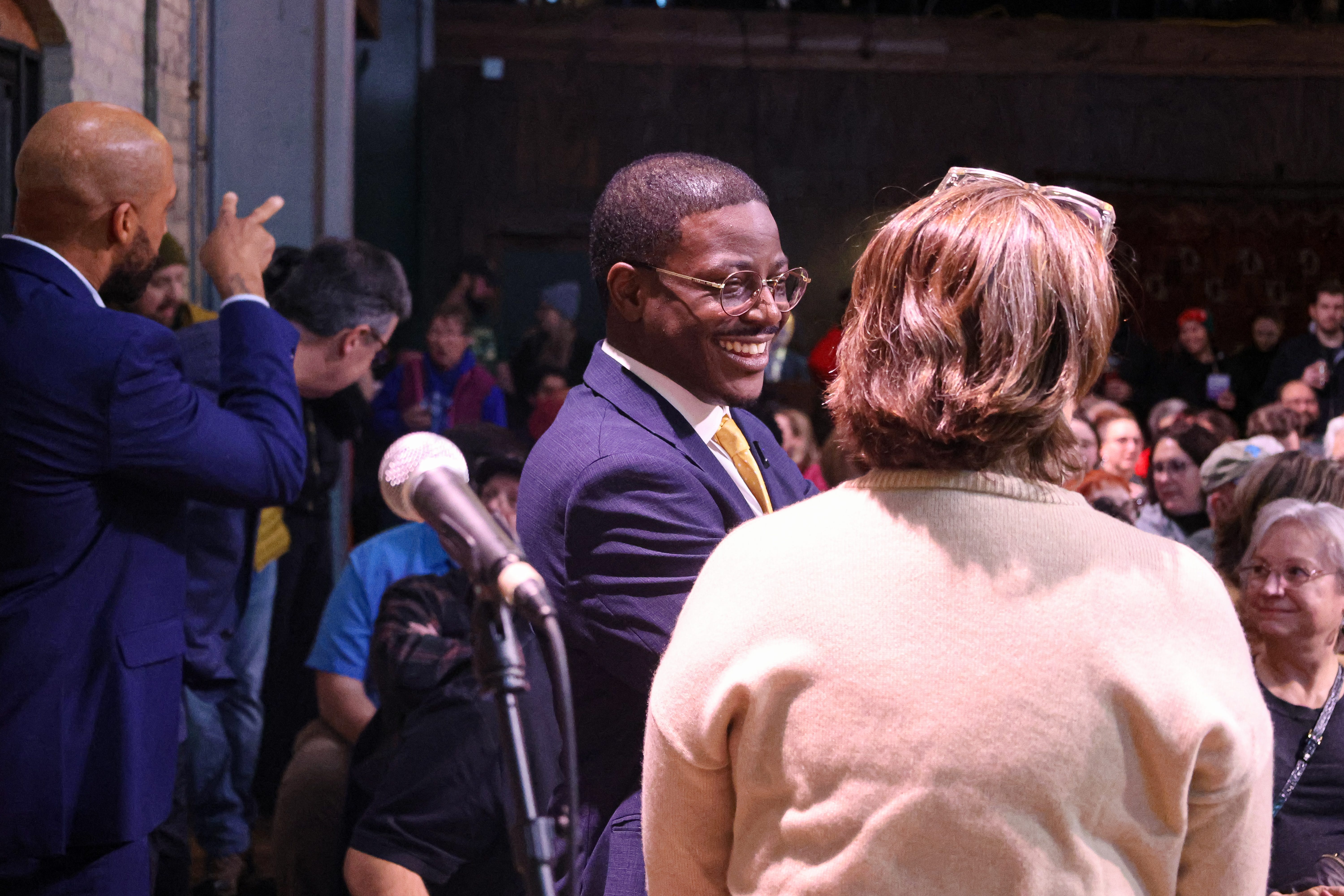
Milwaukee County Executive David Crowley
This campaign needs a wake-up call.
Last year, when I wrote a “too-early” preview of the race, I said Crowley had the highest upside of any candidate running, and I meant it. Perhaps that’s part of my Milwaukee bias showing through, but I’ve long thought very highly of Crowley, endorsing him for County Executive in 2020, and admiring his record of accomplishment in the role.
I’m always interested in candidates who have the potential to bring the party together, instead of being mired in the perpetual progressive vs. moderate 2016 primary-type of divide, and I thought Crowley could be that candidate in this race. When he first ran for Milwaukee County Executive, he ran as a “bridge builder,” and in many ways, that’s the mentality a leader in a purple state like Wisconsin needs to demonstrate. Having been a state representative for several terms and then going on to lead the state’s most populous county, where he was able to negotiate the landmark shared revenue and sales tax deal, seemed to bode well for his ability to navigate the complexities of state and local government. He been a rising star in Democratic politics in Wisconsin — poised to be among the top candidates, a true contender in the race for governor.
But this campaign has been entirely uninspiring. It might be the most invisible of the seven campaigns — baffling considering the young, personable candidate who is running. The hopeful, “bridge-builder” energy from his County Executive campaigns just isn’t there. At this point, it seems more likely that Crowley will drop out before the primary than wind up winning it. His campaign has been a huge disappointment.
To be fair, part of this is due to factors beyond his control. It’s not his fault that Milwaukee County experienced major flooding in April (and had federal relief for record flooding last year denied by the Trump administration). He has the most active full-time job of any candidate in the field, without a doubt, and that seems to have taken him away from the campaign trail to some degree.
But some of the news coming out of Milwaukee County in recent months has reflected poorly on a central message of his campaign — executive experience. Following an error that could have led to a lapse in health insurance coverage for thousands of County employees, Crowley fired a top official in his Department of Human Resources. The Milwaukee County Transit System, which announced an unexpected budget deficit in June 2025 that was concealed from County officials, and has since gone through a tumultuous time with changes in leadership, with a recent audit suggesting lack of financial oversight and muddled governance of the bus system. On their own, these types of stories might not be so damaging for a candidate, but pieced together, they become all the more problematic for a campaign running on competent, stable leadership.
In a recent interview with the Wisconsin State Journal, Crowley said he’s the candidate Republicans fear most in a general election, if he wins in August. There might be something to that, but right now, he’s in no position to win in August. He needs to turn things around before it’s too late. Is it already too late?

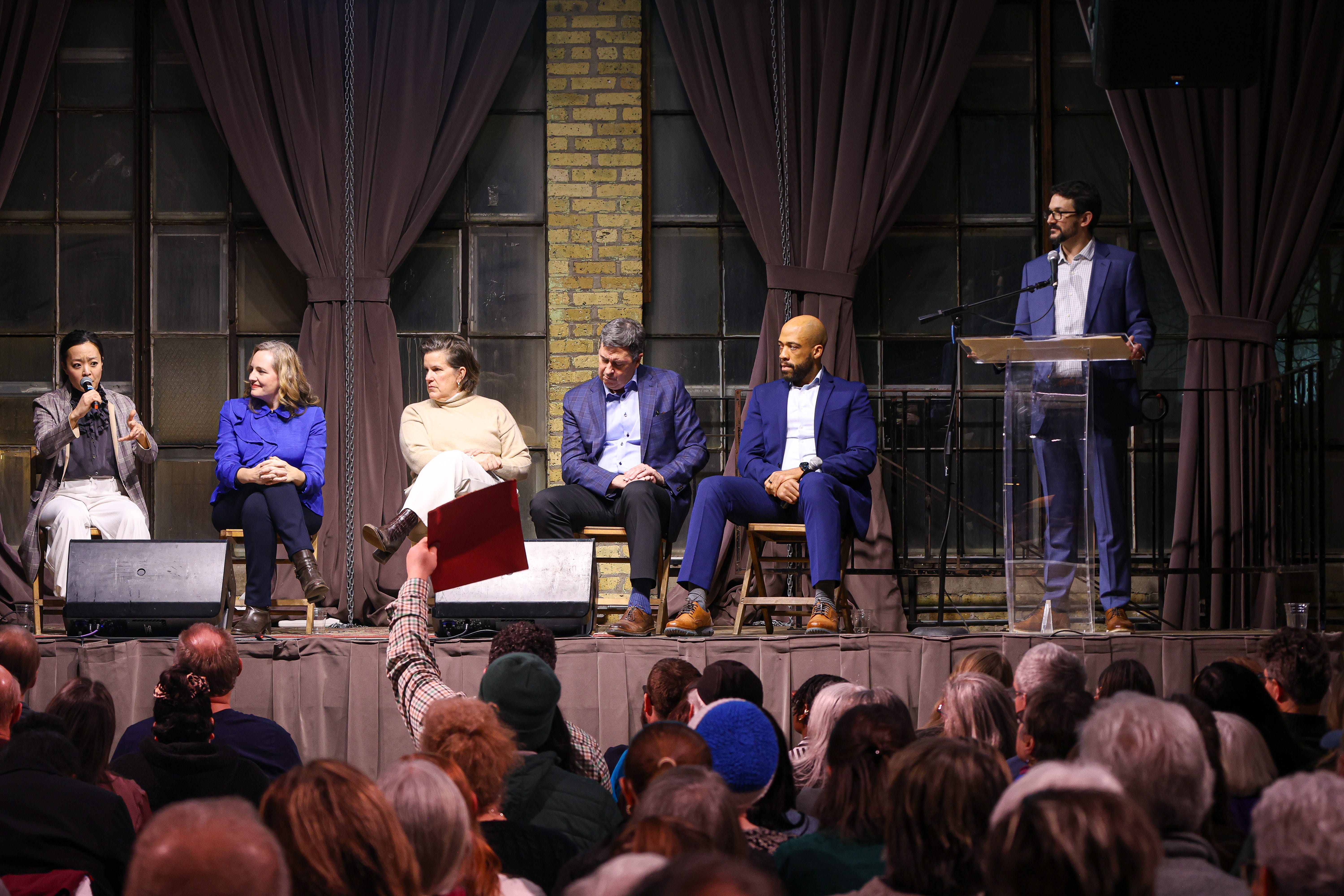
State Rep. Francesca Hong
The buzziest of any campaign in the race, Hong has gone from wildcard curiosity to genuine contender. But reaching contender status opens her up to a whole new level of scrutiny, and we’re seeing that play out in recent weeks — to mixed results.
A CNN story about Hong’s previous tweets on defunding and abolishing police invited a conversation about those controversial public safety policy positions, but despite how inevitable such a story seemed, the campaign’s statement in response was lacking. A subsequent Milwaukee Journal Sentinel story on how she’d envision a world “without prisons” drove home the reality that she is going to face some real challenges on matters of public safety, even as many voters gravitate to her economic populist message.
There was also the recent story about her being sued over credit card debts, which reminds me of stories about Mandela Barnes four years ago regarding his property taxes and college diploma. These stories of millennials encountering financial challenges might seem to have some working class relatability in a primary, but could be more of an issue in a general election where experience is questioned.
On the issues, though, there have been ways in which Hong continues to stand out from the field. Throughout this campaign, there have been numerous forums and discussions that feature many of the candidates, and a recent one showcased an issue where Hong has set herself apart — data centers.
A question from moderator JT Cestkowski, who covers labor issues at Status Coup News, asked if candidates would support a data center moratorium. Surprisingly, only Hong said yes.

So, what’s a more salient issue in 2026 — “defund the police” tweets, or data center politics? It’s probably the latter.
Nevertheless, the electability debate will continue to swirl around Hong’s campaign. There are people who think she flat out cannot win a statewide race at all, and there are people who think she can indeed defeat Tom Tiffany in the general election this fall. It’s also quite clear that Republicans would love to run against a Madison socialist who tweeted about defunding the police; they’re acting like she’s a dream candidate to go up against, and that can’t be entirely discounted as a larger factor in the campaign.
But Hong has built an impressive ground game to go with her robust digital presence. A recent Politico story highlighted a quote from Rock County Democratic leader Jim White, who said she’s the “only candidate” with any infrastructure or active canvassers in the county.
Hong’s overall ceiling might be lower than that of other candidates, and some of her policy positions are going to be controversial, and in some cases, rather unpopular. But the thing about being the wildcard in the race is that an unconventional approach can lead to some unexpected results. We’ve seen that so far in the campaign, and that could continue to be true in the coming weeks and months as this campaign heads to the home stretch, too.

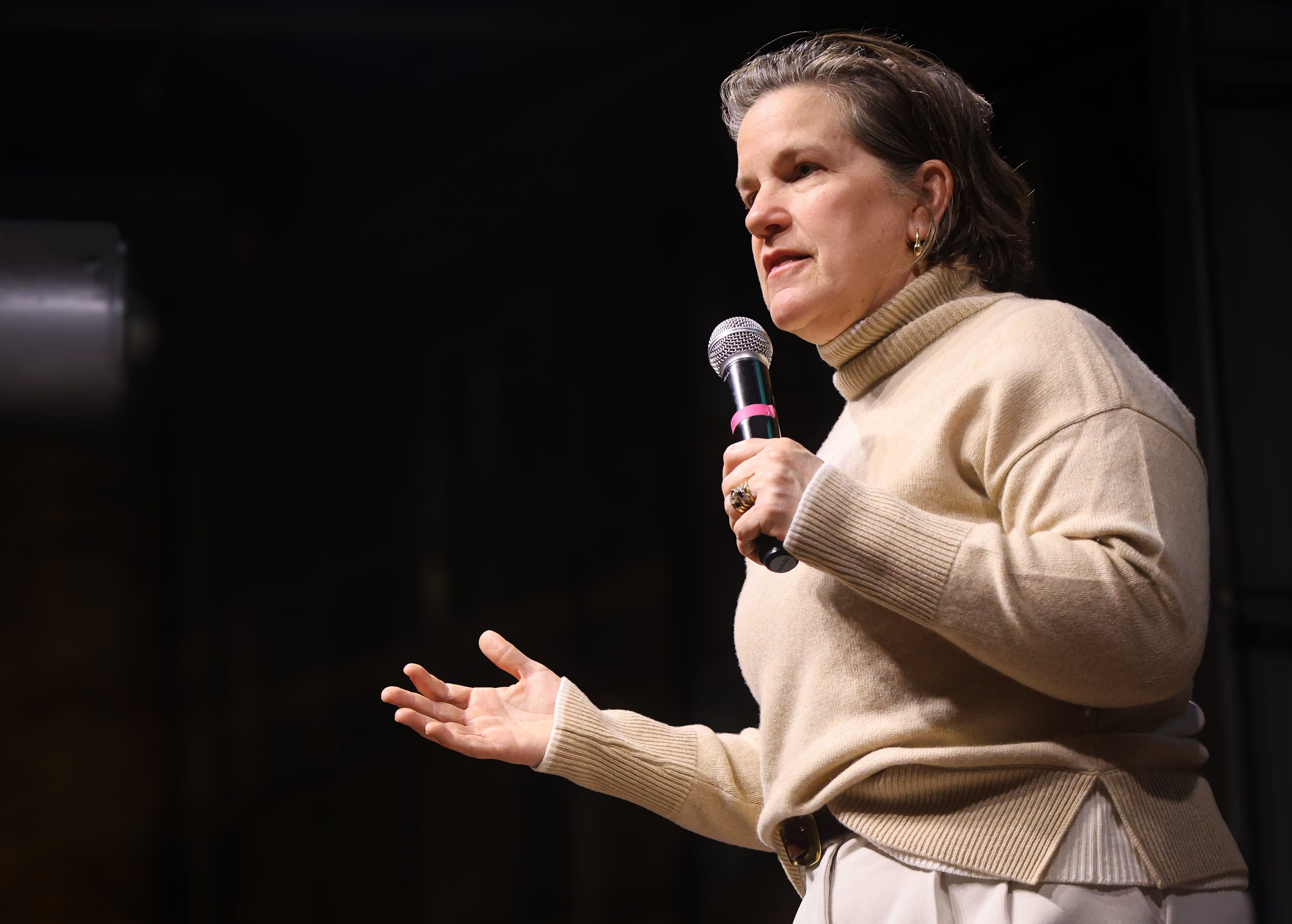
Former WEDC CEO Missy Hughes
Hughes has been picking up some earned media attention with her support for the surplus spending deal made between Gov. Evers and Republican legislative leaders. That issue polled well, and her position on this separates her from the rest of the field, many of whom were very much against it.
But this surplus deal has flummoxed many in Democratic circles, and after all, most Democratic legislators voted against it. It’s a compelling approach to zag against the rest of the field, but is there any evidence to suggest this is translating into actual support? It’s unclear whether or not her campaign has any endorsements, since none are listed online.
Hughes has some strong accomplishments on her resume. The Wisconsin Economic Development Corporation (WEDC), which she led for six years, was mired in constant turmoil during the Walker years, and her ability to right the ship is no small feat. She’s the only candidate in the race not from Madison or Milwaukee, and that’s important, too.
But she entered this race with perhaps the least public profile of any candidate running, and simply hasn’t done enough to change that over the last few months. Because outside of her position on the surplus spending deal, there isn’t much about her candidacy that’s resonated.

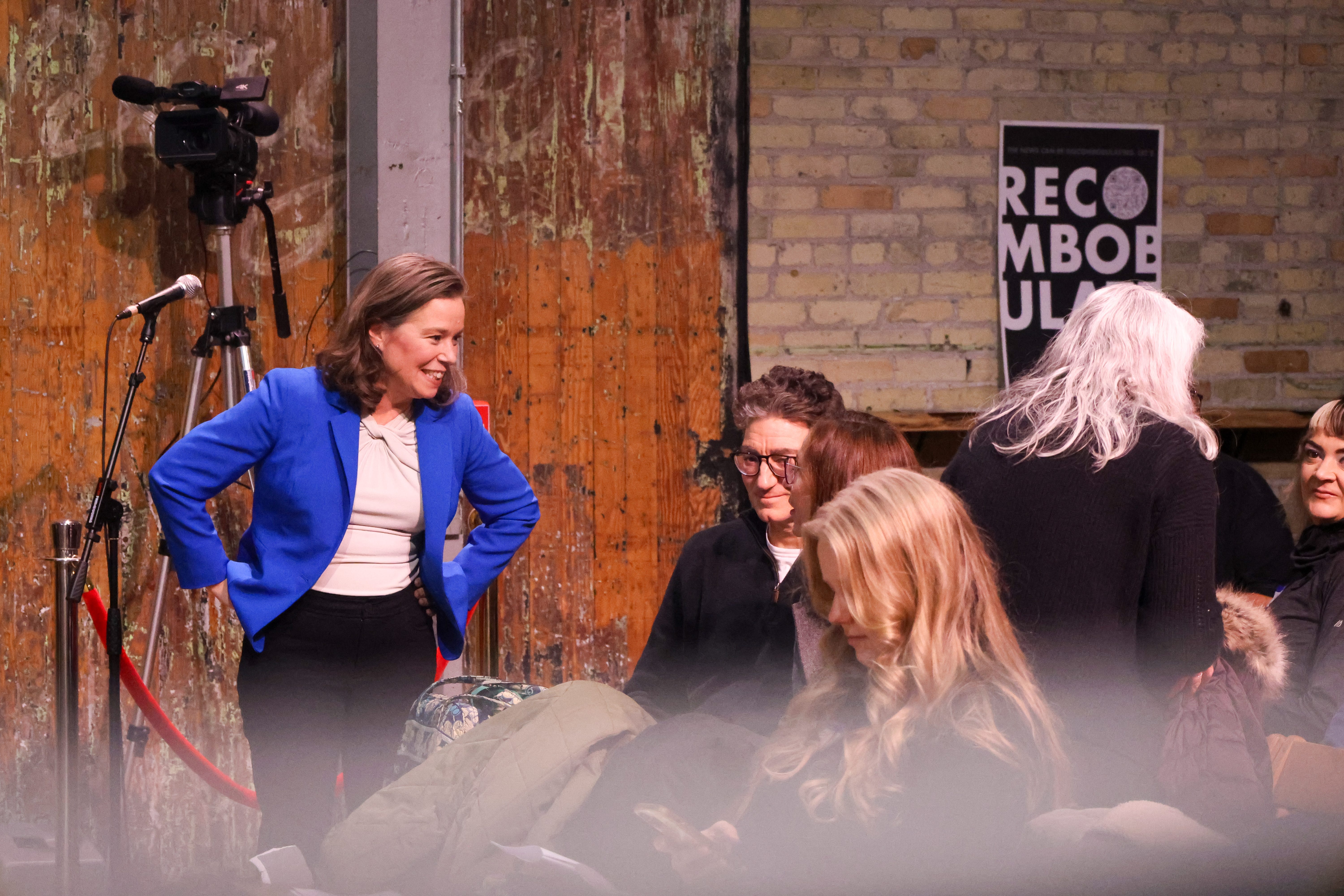
Lt. Gov. Sara Rodriguez
With Mandela Barnes’ higher profile and Francesca Hong’s surging campaign, many have wondered who of the rest of the field might be poised to make a jump. Perhaps it’s going to be Sara Rodriguez.
New polling I reported on this week suggests Rodriguez is clearly ahead of the other four candidates, and is among the only candidates on the rise (along with Hong). While these results do come from Rodriguez internal polling, it aligns with larger perceptions of the primary contest, and the numbers don’t lie. She is in a better position than many other candidates in this race, having built some separation between her and several candidates mired in single digits, and the polling suggests Rodriguez is picking up voters who may have previously supported Barnes.

With television ad buys now seeming to start, outside groups aligned with Rodriguez and Crowley, respectively, have put out ads with buys in major markets, and the lieutenant governor’s ad is a far better one — with more money behind it.
The lieutenant governor has, however, had a couple notable stumbles on the campaign trail. Leaked audio from a campaign event showed her saying she’d craft the budget “behind a curtain” if elected, and she had to walk back comments made during an interview about how she would respond to ICE’s use of administrative (not judicial) warrants. While these stories do suggest she might have a tendency to say the wrong thing, these do not present insurmountable challenges. But if her campaign continues to rise, her statements will invite more scrutiny. She’ll have to strike the right balance between improving her responses in unscripted moments without sacrificing authenticity.
Health care is an issue with a huge advantage for Democrats, and will be a salient one after funding cuts with the “Big Beautiful Bill,” which Tom Tiffany supported. Rodriguez can make a claim to that being her signature issue, given her background as a nurse and work within the health care industry.
Given the recent history of successful statewide campaigns, I wonder if Rodriguez’s run could wind up looking like that of what we’ve seen from state Supreme Court candidacies, where women at the top of the ticket perform well and deliver victories, leaning into signature issues with broad support. Being from blue-trending Waukesha County and having flipped an Assembly seat there could be another mark in Rodriguez’s favor, especially with Tiffany being from northern Wisconsin and not having the built-in WOW county notoriety that other Republicans running statewide have enjoyed.
Rodriguez could wind up as the nominee, and if she does, she would likely be the favorite to win against an extreme right-wing candidate like Tom Tiffany in a year where Democrats have the advantage, on balance.
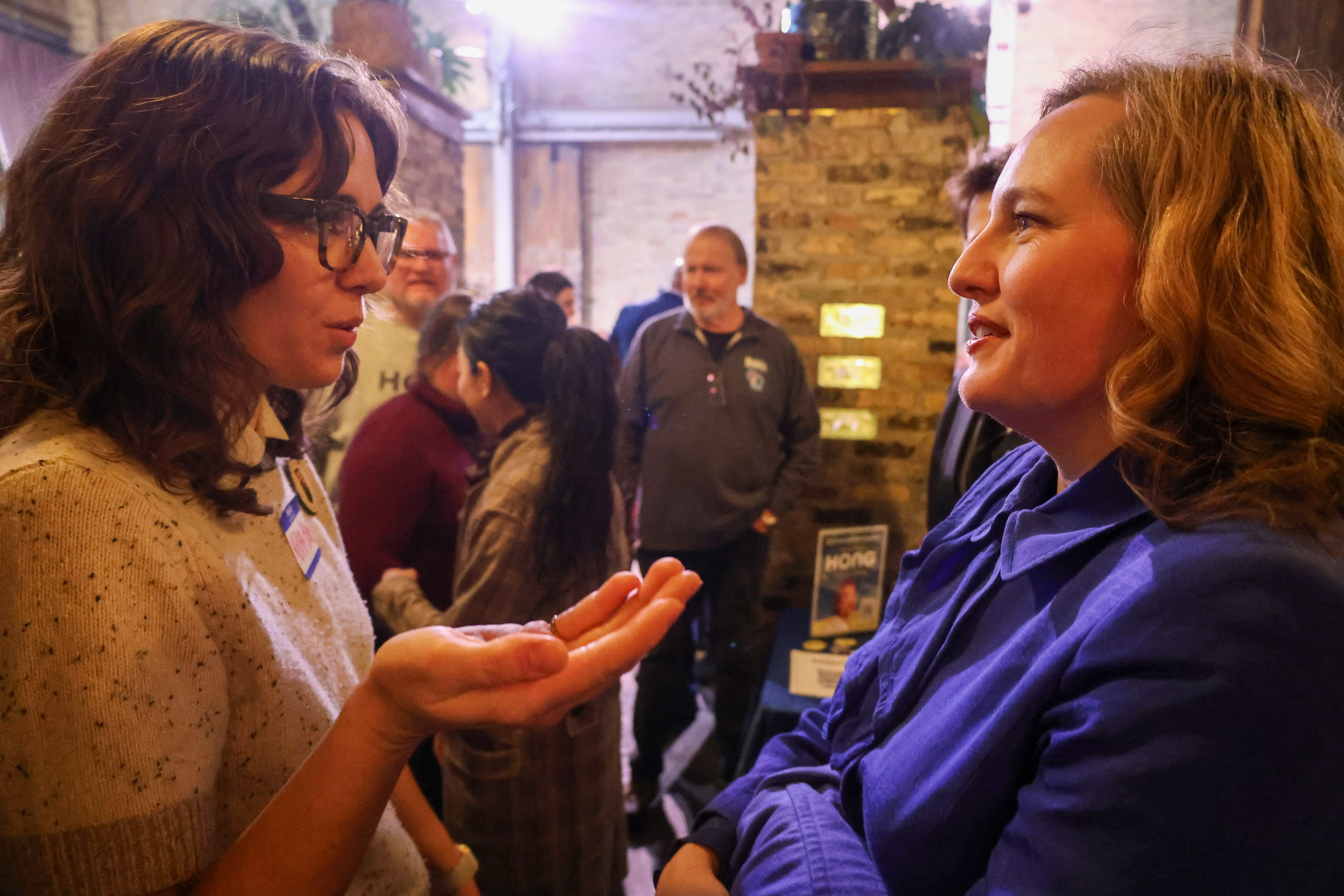
State Sen. Kelda Roys
The most notable turn in Roys’ candidacy came when she gained the “recommendation” of the Wisconsin Education Association Council (WEAC)’s Political Action Committee, and gaining this key backing from the state’s largest teachers union was a strong boost for her campaign.
And on the other side of the coin from Missy Hughes, Roys was the first to come out against the Evers-Vos-LeMahieu surplus spending deal, demonstrating that she’s willing to be a leader on tough issues. She’s also been putting out smart, nuanced policy proposals and has enough progressive bonafides to be in a position to pick up support should Hong or Barnes stumble. It seems like the arrow has been pointing up for the Roys campaign.
But it just hasn’t been enough. Roys is not gaining momentum in this race, and it’s not all that clear why. Perhaps Hong running cut into some of her Madison base. Perhaps Barnes running crowded out the lane for another non-socialist progressive. Perhaps her early fundraising wasn’t where it needed to be. Perhaps a WEAC endorsement doesn’t mean what it once might have. Whatever it is, the support is just not materializing in a way that’s making a meaningful impact on this race. She meets the criteria, but still isn’t being selected.
Like Crowley, Brennan and Hughes, Roys is intelligent and accomplished and more than qualified to be governor. But with less than two months to go before primary election day, a whole lot would have to change very quickly for Roys — or any of the bottom four in the race — to be in position to win.

Dan Shafer is a journalist from Milwaukee who writes and publishes The Recombobulation Area. In 2024, he and the publication joined Civic Media, where he is currently a Contributing Editor. He’s written for The New York Times, The Daily Beast, Heartland Signal, Belt Magazine, WisPolitics, and Milwaukee Record. He previously worked at Seattle Magazine, Seattle Business Magazine, the Milwaukee Business Journal, Milwaukee Magazine, and BizTimes Milwaukee. He’s won 24 Milwaukee Press Club Excellence in Journalism Awards. He’s on Twitter at @DanRShafer.
Subscribe to The Recombobulation newsletter here and follow us on Facebook and Instagram at @ therecombobulationarea.
Already subscribe? Get a gift subscription for a friend.
Part of a group who might want to subscribe together? Get a group subscription for 30% off!
Follow Dan Shafer on Twitter at @DanRShafer, at BlueSky at @danshafer.bsky.social, and on Threads at @danshafer.